A central orchestration platform that coordinates fleets of robots across healthcare environments — logistics, cleaning, sensing, transport, and humanoids — managed by on-site human teams.
Robotics is becoming infrastructure inside hospitals, just as automation transformed warehouses. The opportunity isn't in building more hardware — it's in the platform layer that orchestrates it all.
Integrating the world's leading robotics companies
Four structural problems are compounding inside every hospital in America. Robots can solve them — but only if they work together.
Hospitals face persistent labor shortages across nursing, environmental services, logistics, and support roles. The pipeline isn't keeping up with demand.
Healthcare workers — especially nurses — experience some of the highest workplace injury rates in the U.S., often related to patient mobility and repetitive physical tasks.
Hospitals rely on manual logistics workflows — transporting linens, delivering meals, moving supplies, pharmacy runs, equipment transport. These tasks consume clinical time and increase staffing pressure.
Hospital-acquired pressure injuries and immobility-related complications affect millions of patients annually and are associated with tens of thousands of deaths in the U.S. These represent both clinical and financial burdens.
Just as automation transformed warehouses, robotics will transform hospitals. But the value isn't in the hardware — it's in the orchestration layer.
Amazon, Shopify, and others proved that coordinated robot fleets can transform operations at scale.
Hospitals need the same thing: coordinated robot fleets across logistics, cleaning, sensing, transport — and eventually, patient care.
Hospitals will deploy robots from multiple manufacturers. The long-term value sits in the software layer that coordinates them — not in building another robot.
Think: Android for hospital robots. A multi-vendor operating system with a human management layer that keeps everything running.
"Robots are not replacing healthcare workers. They reduce injury, handle repetitive tasks, expand workforce capacity, and improve operational reliability."
Support infrastructure — not labor replacement.
Software intelligence orchestrates every robot. Human expertise keeps them running.
Powered by Intrinsic (Alphabet)
Fleet Techs & Clinical Coordinators
Multiple monetization paths — from hardware distribution to managed services to SaaS. Each reinforces the others and creates compounding lock-in.
Bedrock Robotics raised $270M in Series B funding with participation from Capital G (Alphabet) and NVIDIA's venture arm. Their thesis: construction faces severe labor shortages, large infrastructure projects require automation, and autonomous fleets need coordination.
Investors are funding companies not just for robots themselves — but for platforms that coordinate fleets of machines. This mirrors the healthcare robotics thesis exactly.

Billions in funding, blockbuster partnerships, and breakthrough milestones — the robotics ecosystem companies are making headlines.
Figure AI raised one of the largest rounds in humanoid robotics history, backed by Microsoft, NVIDIA, Jeff Bezos, and OpenAI. Building general-purpose humanoid robots for warehouse and manufacturing.
NVIDIA launched its GR00T N1 foundation model and Isaac GR00T robotics platform at GTC 2025, providing the AI backbone for humanoid robot development across the industry.
Tesla's Optimus humanoid robot began performing autonomous tasks in Tesla factories, with plans to sell externally. Elon Musk projects Optimus could become Tesla's most valuable product line.
Boston Dynamics unveiled its fully electric Atlas humanoid, purpose-built for real-world commercial applications. Hyundai is integrating Atlas into automotive manufacturing operations.
Norwegian robotics company 1X Technologies raised $100M to scale production of NEO, their humanoid designed for home and workplace assistance. Backed by Samsung and EQT Ventures.
Alphabet's Intrinsic launched Flowstate, a software platform for programming and orchestrating industrial robots from multiple manufacturers. Backed by Google's full AI and compute infrastructure.
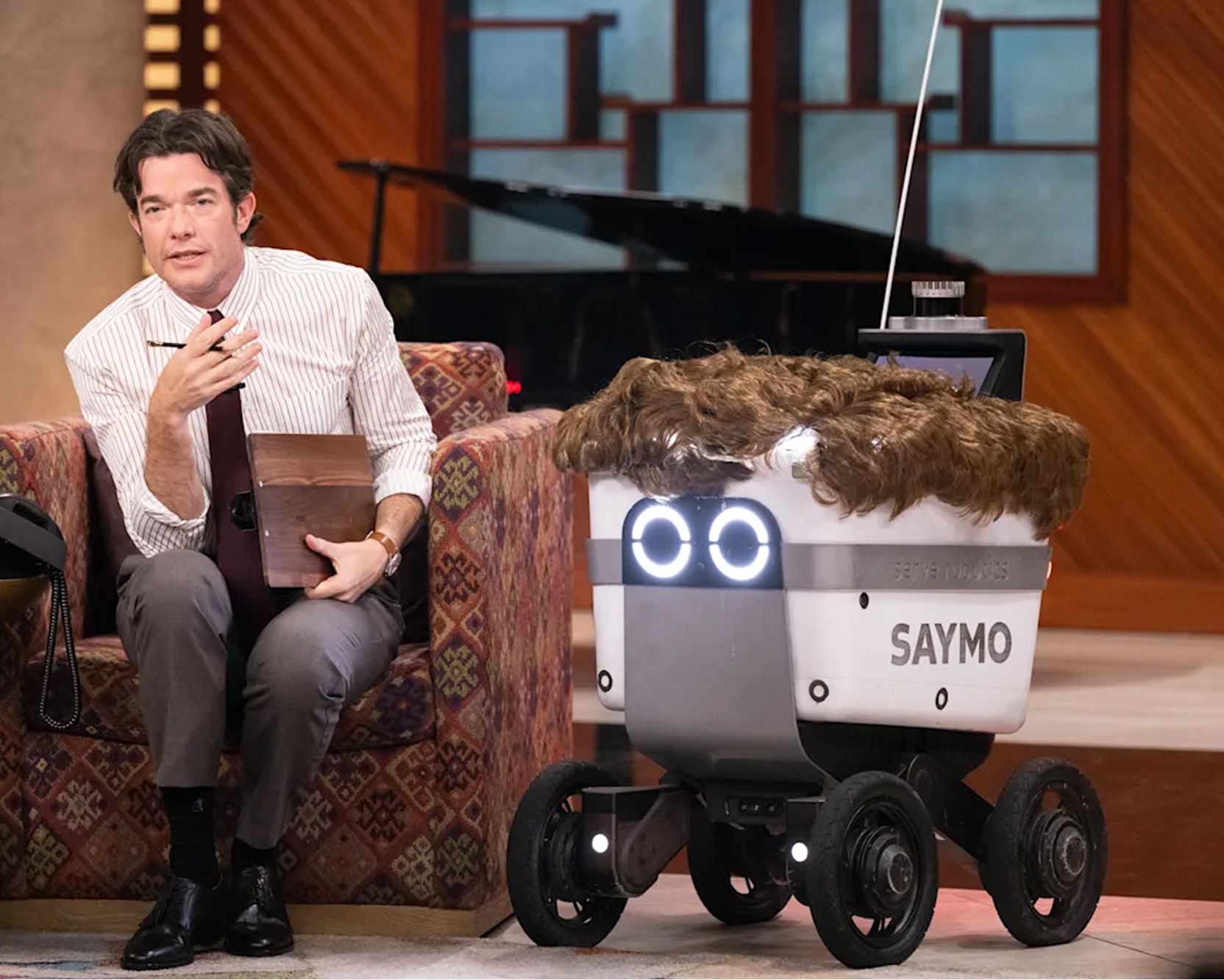
SERV expanded its autonomous sidewalk delivery fleet with Uber Eats, deploying robots across major US cities. The company went public via SPAC, making it the first publicly traded sidewalk delivery company.
Avidbots raised $70M to expand its Neo autonomous floor scrubber across hospitals, airports, and commercial facilities globally. Deployed in 3,000+ locations across 30 countries.
The publicly traded companies in the Accelerate Robotics ecosystem — Tesla, NVIDIA, Alphabet, Toyota, Intuitive Surgical, and Serve Robotics — represent over $10 trillion in combined market capitalization.
From delivering meds to assisting with patient lifts — we integrate them all.
Initial deployments focus on low-risk operational tasks with clear ROI and minimal regulatory complexity.
Floor scrubbing, UV disinfection, environmental monitoring
Automated linen pickup and delivery between floors
Tray delivery from kitchen to patient rooms
Medication transport from pharmacy to nursing stations
No FDA required. Clear cost savings. Immediate workforce relief.
Patient-adjacent robots need FDA alignment. We build the compliance layer from Day 1.
Pre-built compliance for patient-sensing and patient-contact categories
All robot data through HIPAA-compliant infrastructure. Zero PHI exposure.
Audit trails, incident reporting, safety protocols for accreditation
Phased deployment: start with proven technology, build toward the frontier.
The fastest-growing tech hub meets the highest hospital density in the Southeast. Not SF. On purpose.
Healthcare robotics aligns with broader narratives around national competitiveness, healthcare modernization, worker safety, and infrastructure innovation. South Florida is positioning itself as the hub for scaling these companies.
A delivery bot finishes a pharmacy run. The floor scrubber knows the hallway is clear. A sensor detects a patient needs repositioning. An autonomous wheelchair is dispatched. A humanoid assistant helps with the lift. All orchestrated. All managed. All safe.
Autonomous logistics 24/7
UV disinfection, no human exposure
Predict falls, prevent injuries
EMR-triggered patient mobility
Humanoids alongside caregivers
This isn't science fiction.
Every piece of this technology exists today.
It just needs an autopilot.
Every robotics company in our ecosystem. Click any company to learn more — links open in a new window so you stay right here.
Whether you're a hospital deploying your first robot, a robotics company seeking distribution, or an investor backing the platform layer — let's talk.